ASTM A182 F6NM MDMT: Minimum Design Metal Temperature
A practical guide to the minimum design metal temperature of forged 13Cr-4Ni martensitic stainless steel (UNS S41500 / AISI 415) for pressure equipment.
Quick answer: F6NM does not have a single fixed MDMT. The minimum design metal temperature is set by the part's coldest service condition and confirmed by Charpy impact testing at, or below, that temperature. F6NM is routinely qualified to an MDMT of -40 °C and, as shown on delivered projects, down to -60 °C (-75 °F) with controlled quench and double tempering, and it is not suitable for a guaranteed MDMT at cryogenic temperatures such as -196 °C, which belong to austenitic or 9% nickel steels.
What Does MDMT Mean?
MDMT stands for minimum design metal temperature. In ASME pressure equipment, it is the lowest temperature at which a component is permitted to carry its rated pressure without an unacceptable risk of brittle fracture. It accounts not only for normal operation but also for cold ambient conditions, start-up, shutdown and depressurization, where a vessel or valve can become cold while still under load.
The concept matters because martensitic and ferritic steels lose toughness as they get colder. Below a certain temperature they can fail by sudden brittle fracture rather than ductile yielding. The MDMT is the documented limit that keeps the part on the safe, ductile side of that transition.
What Is the MDMT of ASTM A182 F6NM?
There is no universal MDMT printed in ASTM A182 for Grade F6NM. The specification gives the mechanical properties of the material, but the minimum design metal temperature is a design decision tied to the application and then verified by testing. In practice, F6NM is one of the better low-temperature martensitic stainless steels, and the MDMT values most often assigned to it are shown below.
| Typical MDMT | How it is achieved for F6NM |
|---|---|
| -20 °C | Standard low-temperature oil and gas service; met with a wide toughness margin. |
| -40 °C (-40 °F) | Routinely qualified for cold-climate wellheads, offshore and Arctic-rated equipment. |
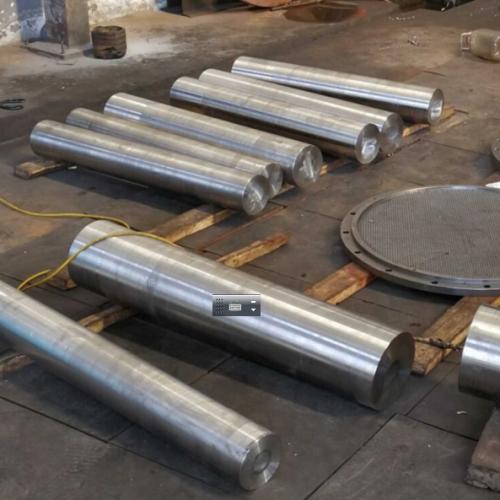
| -50 °C / -60 °C (-75 °F) | Demonstrated on delivered projects with controlled quench and double tempering, verified by impact testing on every heat lot. Our F6NM round bars returned 202 / 175 / 202 J at -60 °C (-75 °F) with 100% shear. |
| -101 °C and below (incl. -196 °C) | Not reliable for a martensitic grade. Austenitic (304/316L) or 9% nickel steel is required. |
Because F6NM keeps good toughness well below zero, it covers the common cold-service range comfortably. This is the same low-temperature capability that makes it the preferred choice over plain 410 for forged A182-F6NM rings, flanges and valve bodies.
How Is the MDMT of F6NM Determined?
F6NM is a high-alloy martensitic stainless steel, so its low-temperature rating is established through impact testing rather than through the carbon-steel exemption curves used for materials like A350 LF2. The route is straightforward: the design defines the coldest temperature the part will see, Charpy V-notch specimens are tested at that temperature (or colder), and if they meet the required absorbed energy, that temperature is documented as the MDMT.
The governing code sets the rules. ASME B31.3, ASME Section VIII Division 1 (which handles high-alloy steels under its UHA rules), NACE MR0175/ISO 15156 and many client specifications each define when impact testing is required and what energy must be met. The practical point for a buyer is the same in every case: state the MDMT you need on the order, and require impact testing at that temperature, so the certified value matches your design.
MDMT vs Charpy Impact Test Temperature
These two temperatures are closely related but not identical. The MDMT is a design property of the finished component. The Charpy impact test temperature is the temperature at which the verification specimens are actually broken. The test is carried out at, or below, the MDMT so that the result proves the material is still ductile at the coldest point of service.
In most F6NM orders the two values are simply set equal, for example an MDMT of -46 °C verified by impact testing at -46 °C. For the full detail of test temperatures, specimen sizes and acceptance energies, see our companion guide on the F6NM Charpy impact test requirements.
Does Lower Pressure Allow a Colder MDMT?
For carbon and low-alloy steels, ASME allows a part to be rated to a colder MDMT when it operates at a reduced stress level, using the code's stress-ratio reduction. For a high-alloy martensitic steel like F6NM, this is not the path that is normally relied upon. The dependable way to secure a low MDMT for F6NM is direct impact testing at the required temperature.
The practical conclusion is that you should not assume a colder rating just because a valve or flange runs below its full pressure. If your design metal temperature is, say, -50 °C, specify impact testing at -50 °C and have it certified. That removes any ambiguity and keeps the documentation defensible.
F6NM MDMT Compared With Other Grades
Choosing the right material for a given MDMT is mostly about matching the grade family to the temperature. The comparison below shows where F6NM sits.
| Material | Practical MDMT range | Notes |
|---|---|---|
| 410 martensitic stainless | Down to about -20 °C | Higher carbon, lower toughness; limited cold service. |
| F6NM (UNS S41500) | Down to about -60 °C (-75 °F) with lot testing | Soft martensitic 13Cr-4Ni; the preferred low-temperature martensitic grade. |
| A350 LF2 low-temp carbon steel | Down to about -46 °C | Common cold-service carbon steel; less corrosion resistance than F6NM. |
| 304 / 316L austenitic stainless | To -196 °C and below | No ductile-to-brittle transition; true cryogenic service. |
| 9% nickel steel | To -196 °C | Standard for LNG and liquid-nitrogen cryogenic equipment. |
F6NM occupies the band between ordinary low-temperature carbon steel and the austenitic grades, combining a low MDMT with the corrosion resistance and strength of a stainless steel. When a project genuinely needs cryogenic service, we supply the appropriate austenitic or 9Ni grade instead, so a single source can cover the full temperature range.
Why F6NM Reaches a Low MDMT
The low-temperature capability of F6NM is built in during heat treatment. After forging, the material is quenched and given a controlled double temper, producing fine tempered martensite together with a small fraction of stable reverted austenite. That austenite blunts cracks and pushes the ductile-to-brittle transition far below where it sits in plain 410.
The very low carbon ceiling of 0.05% keeps the martensite soft and tough rather than hard and brittle, and the nickel addition depresses the transition temperature further. Together these allow a well-treated F6NM forging to stay ductile, and to absorb well over 100 J in Charpy testing, at temperatures down to -40 °C and beyond. On a delivered cold-climate project, our forged F6NM (UNS S41500) round bars met Charpy requirements at -60 °C (-75 °F), returning 202 / 175 / 202 J with 100% shear fracture.
Real Cold-Service F6NM Deliveries
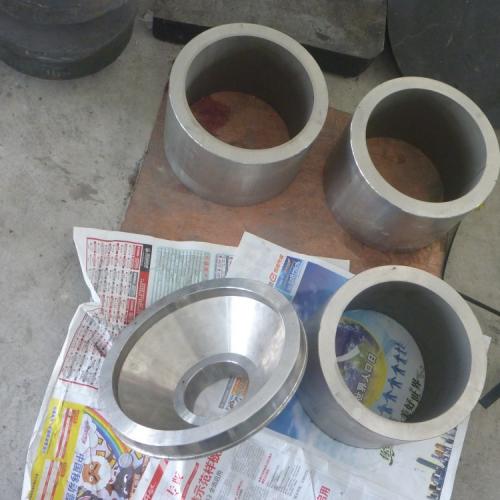
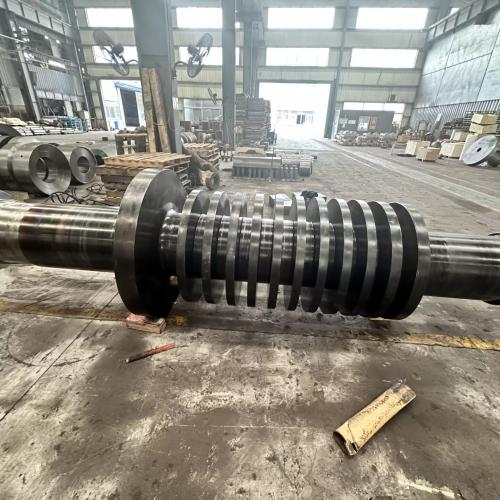
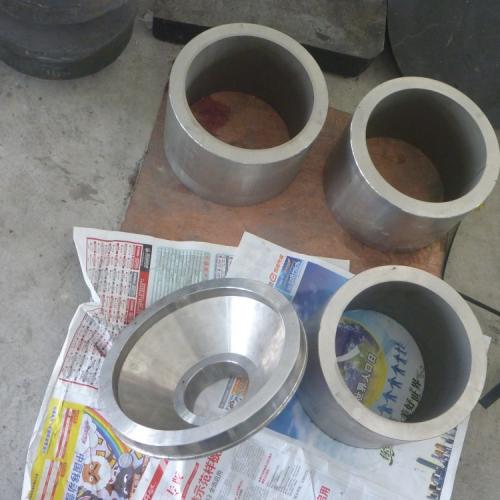
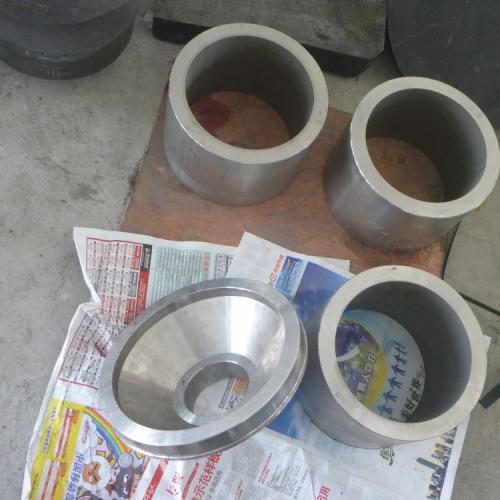
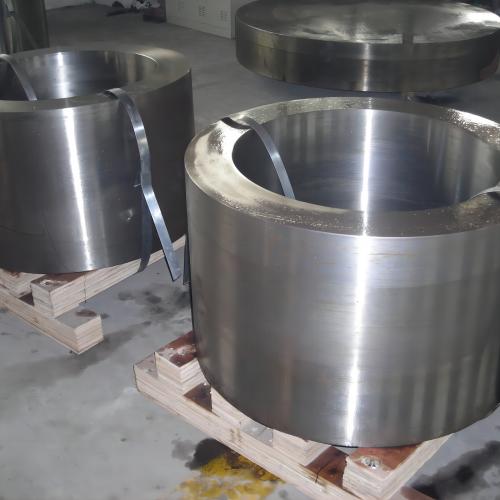
The MDMT a mill can certify is only as good as the projects behind it. At Jiangsu Liangyi Co., Limited, we have delivered impact-tested F6NM for cold-climate export work, including forged F6NM round bars for a Russian client rated for severe sub-zero service, and F6NM seamless rolled rings for an Italian client. Each shipment carries full mechanical and impact test reports tied to the specified MDMT.
How to Specify the MDMT on Your Purchase Order
To make sure the forging you receive matches your design, state all of the following on the order:
- Governing code or specification, for example ASME B31.3, ASME Section VIII or NACE MR0175/ISO 15156.
- MDMT value, the coldest design metal temperature for the component (for example, -46 °C).
- Impact test temperature, normally set equal to the MDMT, with the required average and minimum single energy (for example, 42 J average, 34 J single).
- Specimen orientation and location, such as longitudinal or transverse and the sampling depth.
Frequently Asked Questions
What is the MDMT of ASTM A182 F6NM?
F6NM has no single fixed MDMT. It is set by the part's coldest service condition and confirmed by Charpy impact testing at that temperature. F6NM is routinely qualified to -40 °C and, as shown on delivered projects, down to -60 °C (-75 °F) with controlled quench and double tempering and lot testing.
What does MDMT mean?
MDMT is the minimum design metal temperature: the lowest temperature at which a pressure component can carry its rated pressure without an unacceptable risk of brittle fracture, including cold ambient, start-up and depressurization conditions.
How is the MDMT of F6NM determined?
As a high-alloy martensitic stainless steel, F6NM has its low-temperature rating set by Charpy impact testing rather than by carbon-steel exemption curves. Specimens are tested at, or below, the design MDMT, and if they meet the required energy that temperature is documented as the MDMT.
What is the difference between MDMT and the impact test temperature?
MDMT is a design property of the finished part; the impact test temperature is where the verification specimens are actually broken. The test is run at, or below, the MDMT, and in most F6NM orders the two values are simply set equal.
Can ASTM A182 F6NM be rated to an MDMT of -196 °C?
No. F6NM is martensitic and has a ductile-to-brittle transition, so a guaranteed MDMT at -196 °C is not dependable. True cryogenic service at -196 °C uses austenitic stainless steel (304/316L) or 9% nickel steel. F6NM is well suited down to about -40 to -60 °C with lot testing.
What is the lowest MDMT F6NM can reach?
With controlled quench and double tempering, F6NM can be qualified to a dependable MDMT of about -60 °C (-75 °F), verified by impact testing on each heat lot; on a delivered project our F6NM round bars returned 202 / 175 / 202 J at -60 °C with 100% shear. Below roughly -101 °C a martensitic grade is no longer reliable and an austenitic or 9Ni steel should be used.
Does lower pressure allow a colder MDMT for F6NM?
The stress-ratio MDMT reduction in ASME applies mainly to carbon and low-alloy steels. For high-alloy martensitic F6NM, the dependable way to secure a low MDMT is direct impact testing at the required temperature, so specify the test temperature you need rather than relying on a reduced-pressure exemption.
Is F6NM suitable for Arctic and cold-climate service?
Yes. F6NM is a standard choice for cold-climate wellheads, offshore and Arctic-rated equipment, routinely qualified to an MDMT of -40 °C and lower with lot-verified impact testing, while keeping the corrosion resistance and strength of a stainless steel.
Need F6NM Forgings Rated to a Low MDMT?
Jiangsu Liangyi Co., Limited supplies forged A182-F6NM / UNS S41500 / AISI 415 components, including rings, flanges, valve bodies, turbine runners and wellhead parts, with full mechanical and impact test reports to your specified minimum design metal temperature for cold-climate service. Contact us at forgepieces.com, +86-510-86107550 or sales@forgepieces.com.